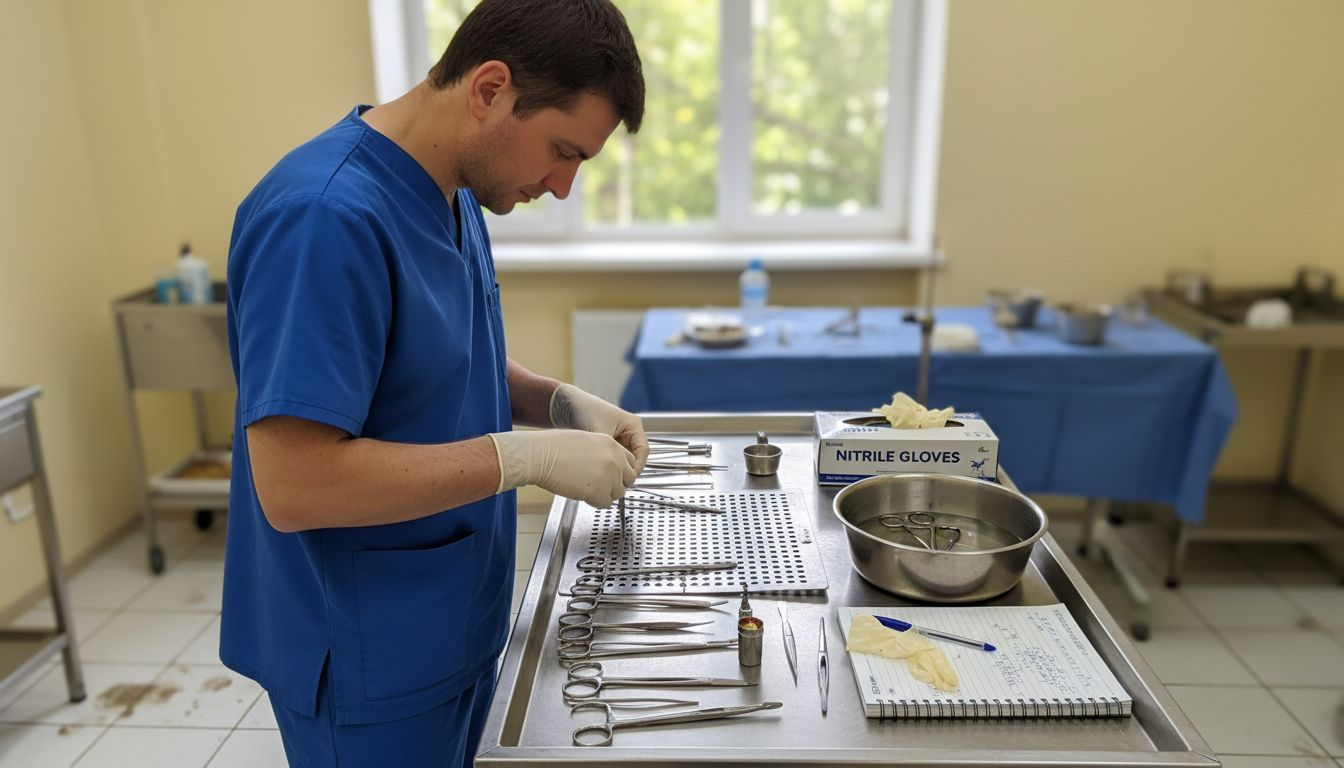
Veterinary clinics in Hungary often discover that investing in high-quality surgical instruments can cut equipment replacement costs by up to 40 percent each year. When your team handles delicate procedures for diverse animal species, the right american and European tools can make a measurable difference in surgical results and patient recovery. This overview highlights how advanced veterinary surgical instruments help boost efficiency, ensure safety, and support a cost-effective approach for a thriving clinic.
Table of Contents
- Defining Surgical Instrumentation In Veterinary Care
- Major Types Of Surgical Instruments Explained
- Key Features And Proper Functionality
- Selecting Suitable Instruments For Veterinary Clinics
- Maintaining Instrument Quality And Lifespan
- Risks, Costs, And Common Mistakes To Avoid
Key Takeaways
| Point | Details |
|---|---|
| Quality Matters | Prioritize high-quality materials and ergonomic designs when selecting surgical instruments to enhance performance and patient safety. |
| Specialization is Key | Choose instruments that align with specific veterinary specialties to optimize surgical precision and minimize trauma. |
| Maintenance is Essential | Implement rigorous cleaning and maintenance protocols to extend the lifespan of surgical instruments and ensure consistent performance during procedures. |
| Training Reduces Risks | Regular staff training on proper instrument handling and sterilization techniques is crucial to mitigate risks and ensure patient safety. |
Defining Surgical Instrumentation in Veterinary Care
Veterinary surgical instruments represent specialized medical tools designed to support complex animal surgical procedures with precision and safety. Surgical instruments in veterinary medicine have evolved dramatically from rudimentary tools used during early animal domestication to sophisticated, species-specific equipment addressing intricate medical requirements.
These advanced instruments encompass a comprehensive range of specialized tools including surgical kits, scalpels, forceps, retractors, sutures, and anesthesia machines. Each instrument is meticulously engineered to accommodate the unique anatomical variations across different animal species, ensuring veterinarians can perform everything from routine procedures like spaying to complex orthopedic interventions. Veterinary surgical tools are crafted to meet the distinctive physiological challenges of various animal anatomies.
The core purpose of these instruments remains consistent: enabling veterinary professionals to execute safe, precise, and minimally invasive surgical procedures. Modern surgical instruments integrate advanced materials, ergonomic designs, and specialized configurations that enhance surgical outcomes, reduce patient trauma, and support faster recovery times across different animal species.
Pro Tip: When selecting surgical instruments, prioritize quality, material durability, and compatibility with specific animal anatomical requirements to ensure optimal surgical performance and patient safety.
Major Types of Surgical Instruments Explained
Veterinary surgical procedures rely on a sophisticated array of specialized instruments, each designed with precision to address unique medical challenges. Surgical instrument types range from cutting tools to specialized tissue manipulation devices, enabling veterinarians to perform intricate procedures with minimal patient trauma and maximum surgical efficiency.
The primary categories of veterinary surgical instruments include several critical tool types. Cutting Instruments such as scalpels and scissors allow precise tissue incisions, while Grasping Instruments like forceps enable delicate tissue manipulation and controlled handling. Hemostatic Instruments including vascular clamps help control bleeding during surgical interventions, and Retraction Instruments create necessary surgical exposure by holding tissue away from the operative site.
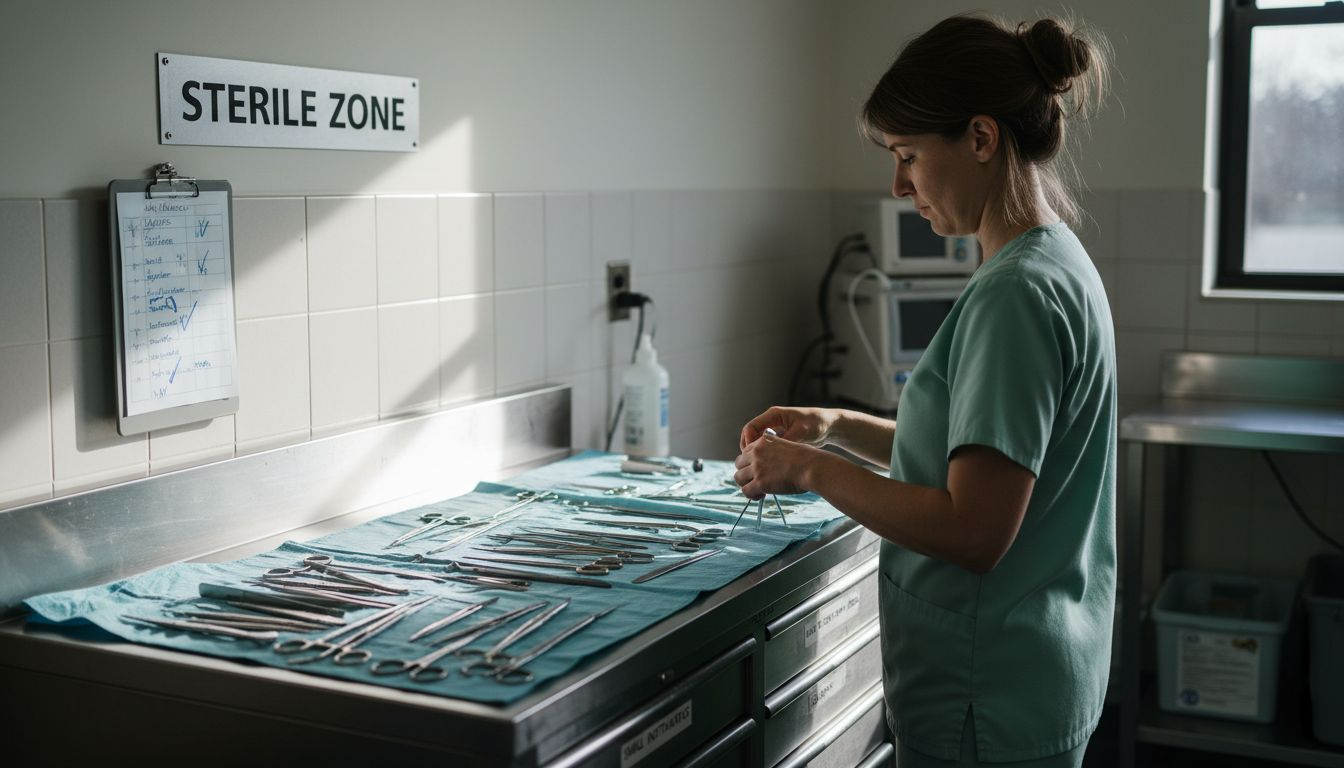
Specialized surgical instrument classifications extend beyond basic tool types. Needle holders facilitate suture placement, towel clamps secure surgical drapes, and specialized scissor designs accommodate different surgical approaches. Some instruments are species-specific, reflecting the nuanced anatomical differences between dogs, cats, horses, and other veterinary patients. Modern surgical instruments incorporate advanced materials like stainless steel and titanium, ensuring durability, precision, and resistance to corrosion.
Here’s a summary of core veterinary surgical instrument types, their primary uses, and how they impact surgical outcomes:
| Instrument Category | Typical Use | Business Impact |
|---|---|---|
| Cutting Instruments | Incise tissues precisely | Enables minimally invasive procedures |
| Grasping Instruments | Manipulate tissue securely | Improves surgical control and accuracy |
| Hemostatic Instruments | Stop or control bleeding | Reduces patient risk during operations |
| Retraction Instruments | Expose operative site | Enhances visibility and safety |
Pro Tip: Invest in high-quality, multi-purpose surgical instrument sets that offer versatility across different veterinary procedures and animal species to maximize your clinical efficiency and reduce long-term equipment costs.
Key Features and Proper Functionality
Surgical instrument functionality in veterinary medicine demands meticulous precision and adherence to critical medical protocols. Proper instrument handling follows Halsted’s principles, emphasizing gentle tissue management and minimizing surgical trauma, which are fundamental to achieving optimal surgical outcomes across different animal species.
Key features of high-performance veterinary surgical instruments include exceptional material quality, ergonomic design, and specialized functionality. Precision engineering enables instruments to perform specific tasks with minimal tissue disruption, featuring characteristics like balanced weight distribution, non-slip grips, and materials resistant to corrosion and repeated sterilization. Each instrument category – from scalpels and forceps to hemostatic clamps – is engineered with unique specifications that support different surgical techniques and anatomical requirements.
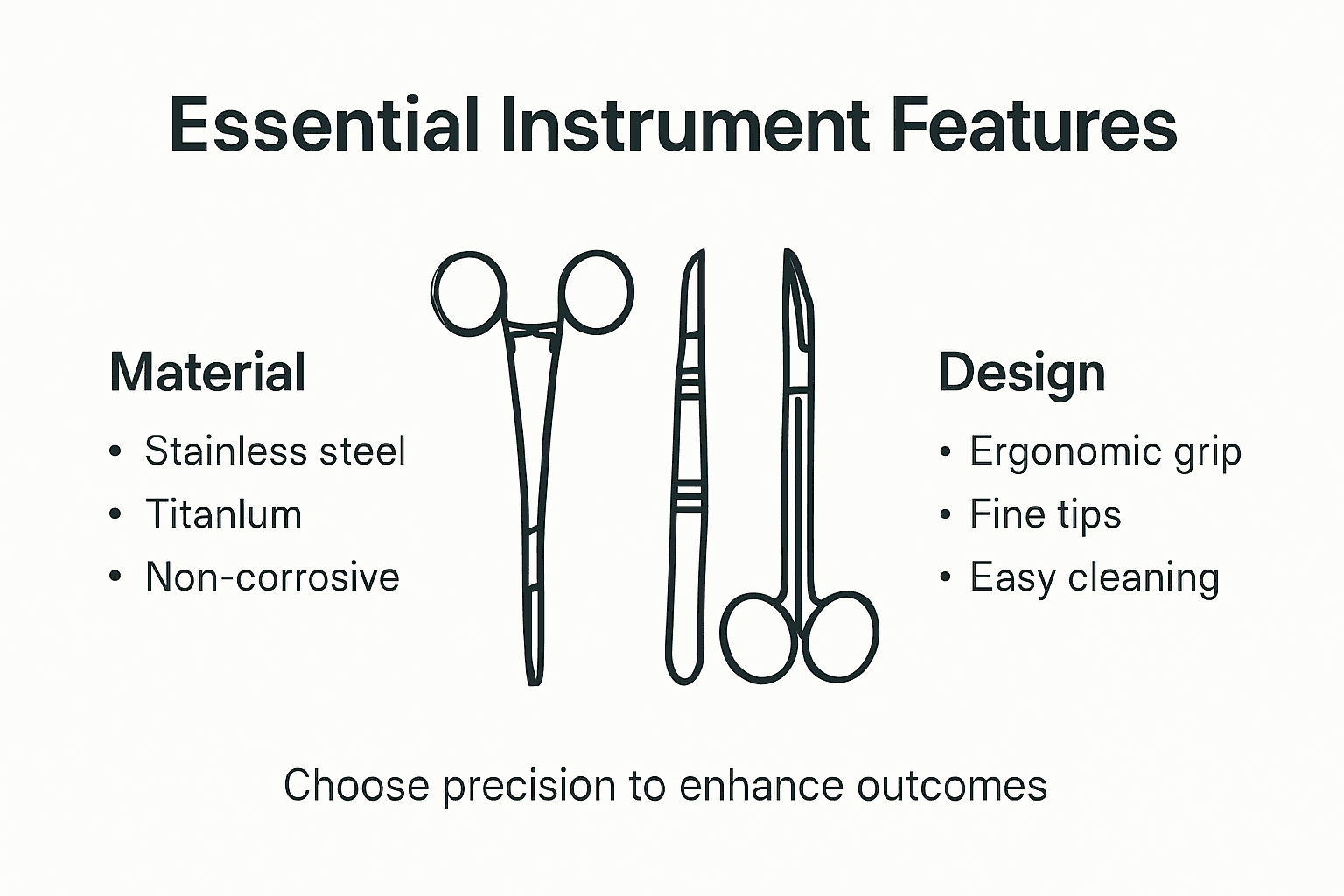
The functionality of surgical instruments extends beyond physical design to include critical performance parameters. Instruments must maintain structural integrity under repeated use, demonstrate consistent cutting or grasping performance, and facilitate rapid, accurate movements during complex veterinary procedures. Advanced instruments incorporate features like micro-serrated edges for enhanced tissue grip, precision-machined tips for delicate manipulations, and lightweight construction that reduces surgeon fatigue during extended surgical interventions.
Pro Tip: Regularly inspect and calibrate surgical instruments to maintain their precision, and invest in professional instrument maintenance services to extend their functional lifespan and ensure consistent surgical performance.
Selecting Suitable Instruments for Veterinary Clinics
Selecting appropriate surgical instruments represents a critical decision for veterinary clinics, requiring comprehensive assessment of multiple factors beyond simple price considerations. The process of instrument selection involves evaluating quality, intended usage frequency, and specific functional requirements, ensuring that each tool meets the unique demands of veterinary surgical procedures.
Material quality stands as a paramount consideration when choosing surgical instruments. Premium stainless steel instruments offer superior durability, corrosion resistance, and long-term performance potential. Veterinary clinics should prioritize instruments that can withstand repeated sterilization processes, maintain sharp cutting edges, and resist structural degradation. Different surgical specialties within veterinary medicine – such as orthopedic, soft tissue, and dental procedures – demand specific instrument characteristics, requiring clinics to develop nuanced selection strategies that match their primary service areas.
Beyond material considerations, veterinary clinics must evaluate instruments based on ergonomic design, precision manufacturing, and compatibility with specific surgical techniques. Factors like weight distribution, grip comfort, and instrument balance significantly impact surgical performance and reduce practitioner fatigue. Advanced instruments featuring specialized tip designs, microsurgical capabilities, and lightweight construction can dramatically enhance surgical precision and reduce potential tissue trauma during complex veterinary interventions.
Compare key factors for selecting high-quality surgical instruments in veterinary clinics:
| Factor | Why It Matters | Impact on Clinic |
|---|---|---|
| Material Quality | Ensures durability, resistance to corrosion | Lowers long-term costs |
| Ergonomic Design | Reduces surgeon fatigue | Improves staff performance |
| Precision Engineering | Supports advanced medical procedures | Boosts surgical success |
Pro Tip: Develop a systematic instrument evaluation protocol that includes testing sample instruments, consulting with surgical specialists, and conducting periodic performance reviews to ensure your clinic maintains the highest standards of surgical equipment.
Maintaining Instrument Quality and Lifespan
Surgical instrument maintenance represents a critical aspect of veterinary practice management, directly impacting both patient safety and long-term clinical efficiency. Comprehensive instrument care involves meticulous cleaning, sterilization, and specialized handling protocols to prevent corrosion and structural degradation, ensuring that each tool maintains peak performance throughout its operational lifecycle.
The cornerstone of instrument preservation lies in understanding the specific material characteristics of surgical tools. Stainless steel instruments, while highly durable, require precise maintenance due to their complex metallurgical composition. Veterinary clinics must implement rigorous cleaning procedures using approved enzymatic detergents, avoid harsh chemical exposures, and follow manufacturer-recommended sterilization techniques. Proper lubrication, careful handling to prevent micro-scratches, and systematic inspection for signs of wear are essential strategies for extending instrument functionality and preventing potential contamination risks.
Controlled storage environments play a pivotal role in maintaining instrument sterility and preventing potential degradation, with specific attention to humidity levels, temperature control, and packaging integrity. Advanced storage solutions include specialized medical-grade cabinets with controlled atmospheric conditions, dedicated instrument trays that minimize contact damage, and systematic rotation protocols that ensure even wear across entire instrument sets. Veterinary practitioners must develop comprehensive tracking systems that monitor individual instrument usage, sterilization cycles, and potential replacement timelines.
Pro Tip: Create a detailed instrument maintenance logbook that tracks each surgical tool’s usage history, sterilization record, and condition, enabling proactive replacement and maintaining consistently high surgical standards.
Risks, Costs, and Common Mistakes to Avoid
Veterinary surgical practices face numerous potential risks associated with improper instrument management and handling, which can significantly impact patient outcomes and clinic operational expenses. Common mistakes in surgical instrumentation include inadequate cleaning protocols, insufficient sterilization techniques, and limited staff training, creating substantial vulnerabilities that extend beyond immediate surgical performance.
Financial risks in veterinary surgical instrumentation are multifaceted, encompassing direct equipment costs, potential litigation expenses from surgical complications, and long-term instrument replacement investments. Inadequate instrument maintenance can lead to premature tool degradation, requiring frequent replacements that dramatically increase operational expenses. Critical risk areas include cross-contamination potential, surgical site infections, and instrument performance failures that can compromise patient safety and clinic reputation. Veterinary clinics must develop comprehensive risk mitigation strategies that incorporate systematic instrument inspection, staff training protocols, and robust quality control mechanisms.
The most prevalent mistakes veterinary practices encounter involve overlooking subtle instrument damage, using inappropriate cleaning agents, and failing to implement standardized sterilization procedures. Potential errors range from microscopic surface scratches that harbor bacteria to improper storage practices that accelerate instrument corrosion. Advanced clinics mitigate these risks through continuous staff education, investment in high-quality instrument maintenance equipment, and developing rigorous tracking systems that monitor individual instrument lifecycle, usage frequency, and potential performance degradation.
Pro Tip: Implement a comprehensive instrument risk assessment protocol that includes quarterly professional inspections, staff training refresher courses, and systematic documentation of instrument performance and maintenance history.
Elevate Your Veterinary Surgeries with Precision Instruments
Veterinary surgical procedures demand impeccable tools that ensure precision, durability, and safety for every patient. This article highlights the critical challenges such as selecting high-quality surgical instruments, maintaining their functionality, and minimizing risks during surgeries. At RobSana, we understand the impact that top-tier instruments like surgical scissors, forceps, and specialized kits have on improving surgical outcomes and reducing patient trauma.

Empower your veterinary practice by choosing from our professional-grade instruments designed to meet the stringent demands of every procedure. Explore our extensive collection and discover how quality and ergonomic design can reduce surgeon fatigue and enhance clinical efficiency. Visit RobSana.com today to access competitive prices, worldwide shipping, and expert support tailored for veterinary clinics seeking excellence in surgical instrumentation. Don’t compromise on your instruments when patient care is at stake. Start optimizing your surgical toolkit now and experience the difference precise tools make.
Learn more about how to select suitable instruments at Selecting Suitable Instruments for Veterinary Clinics and maintain them effectively by visiting Maintaining Instrument Quality and Lifespan.
Frequently Asked Questions
What are the main types of surgical instruments used in veterinary care?
Veterinary surgical instruments are categorized into cutting instruments (like scalpels and scissors), grasping instruments (such as forceps), hemostatic instruments (including vascular clamps), and retraction instruments, each serving unique functions during surgical procedures.
How can the quality of surgical instruments impact veterinary surgeries?
High-quality surgical instruments enhance precision, reduce patient trauma, and support faster recovery times. Factors like material durability and ergonomic design significantly influence surgical outcomes and overall clinic efficiency.
What should veterinary clinics consider when selecting surgical instruments?
Clinics should evaluate factors such as material quality, ergonomic design, intended usage frequency, and compatibility with specific surgical techniques. This ensures that instruments meet the unique demands of various veterinary procedures.
How can proper maintenance extend the lifespan of veterinary surgical instruments?
Regular maintenance, including thorough cleaning, sterilization, and careful handling, is essential for preserving the integrity of surgical instruments. Implementing rigorous cleaning protocols and using appropriate storage conditions will help prevent corrosion and prolong the life of the tools.